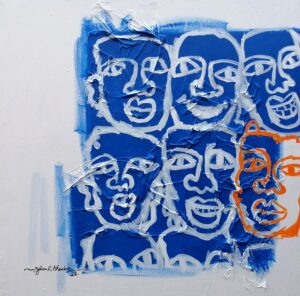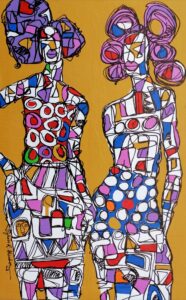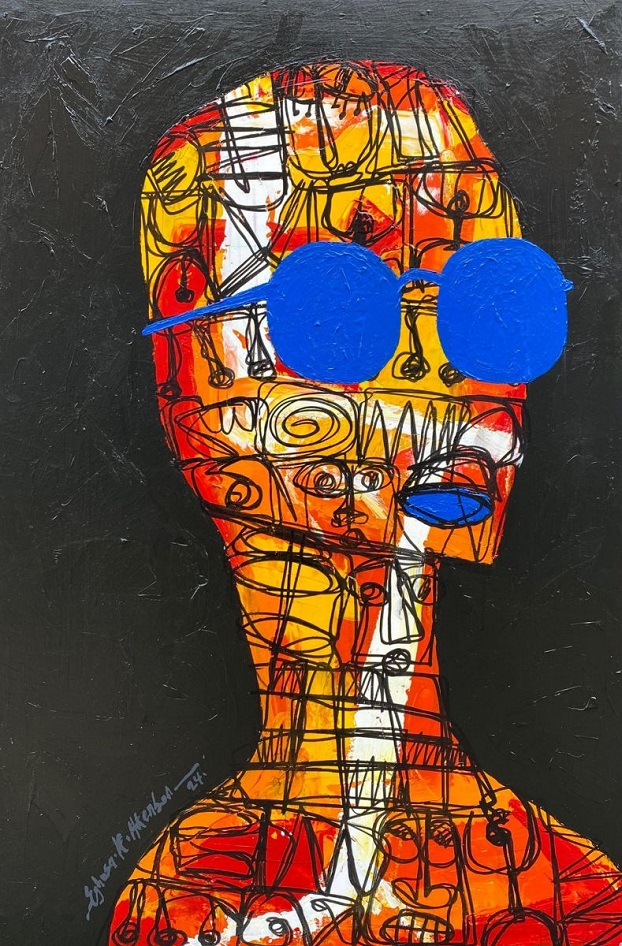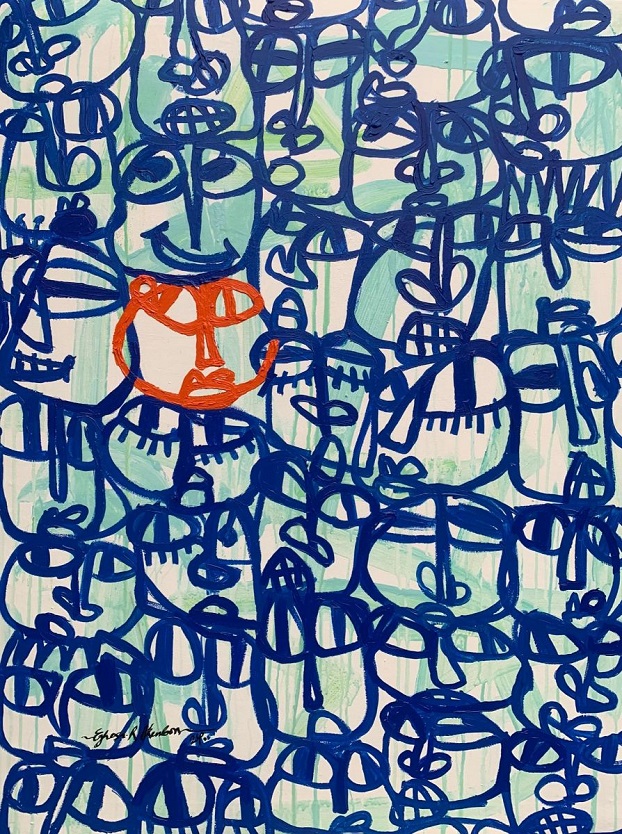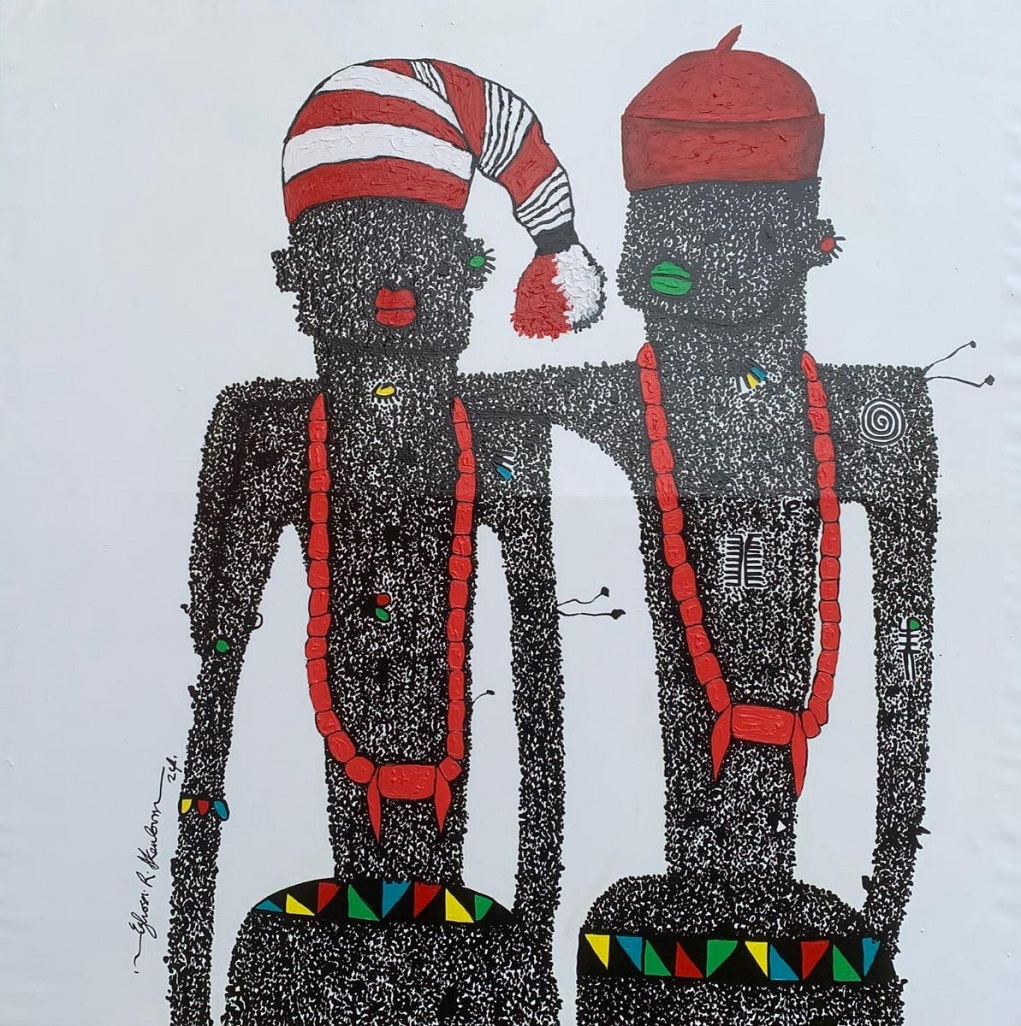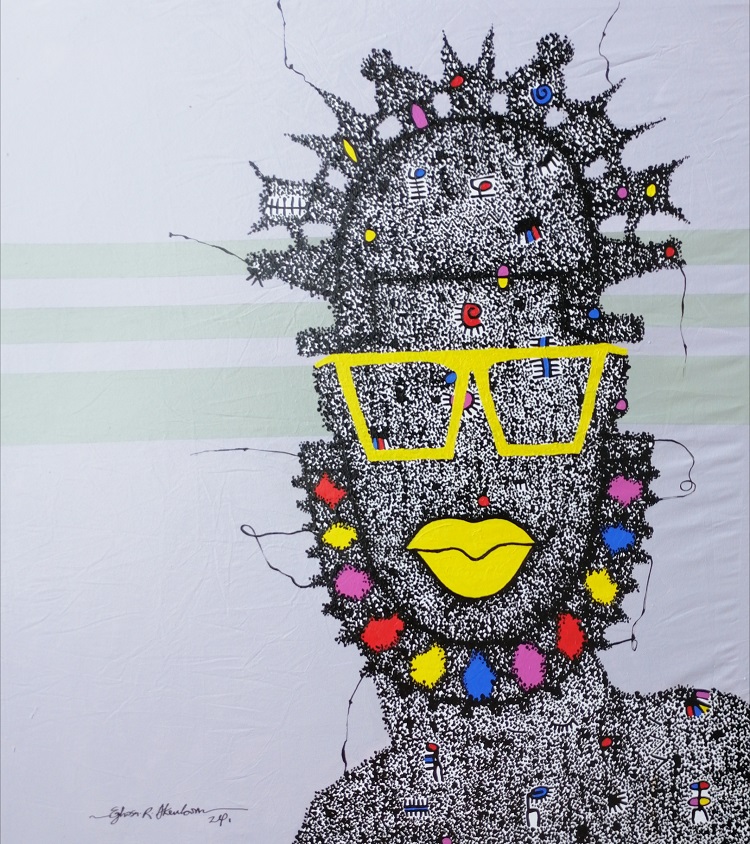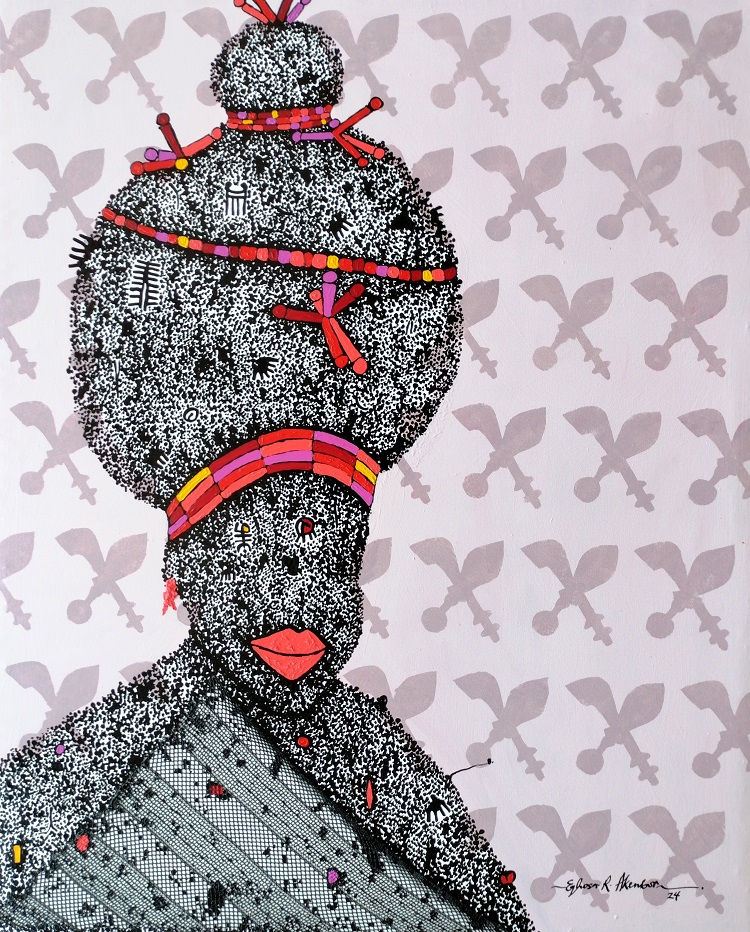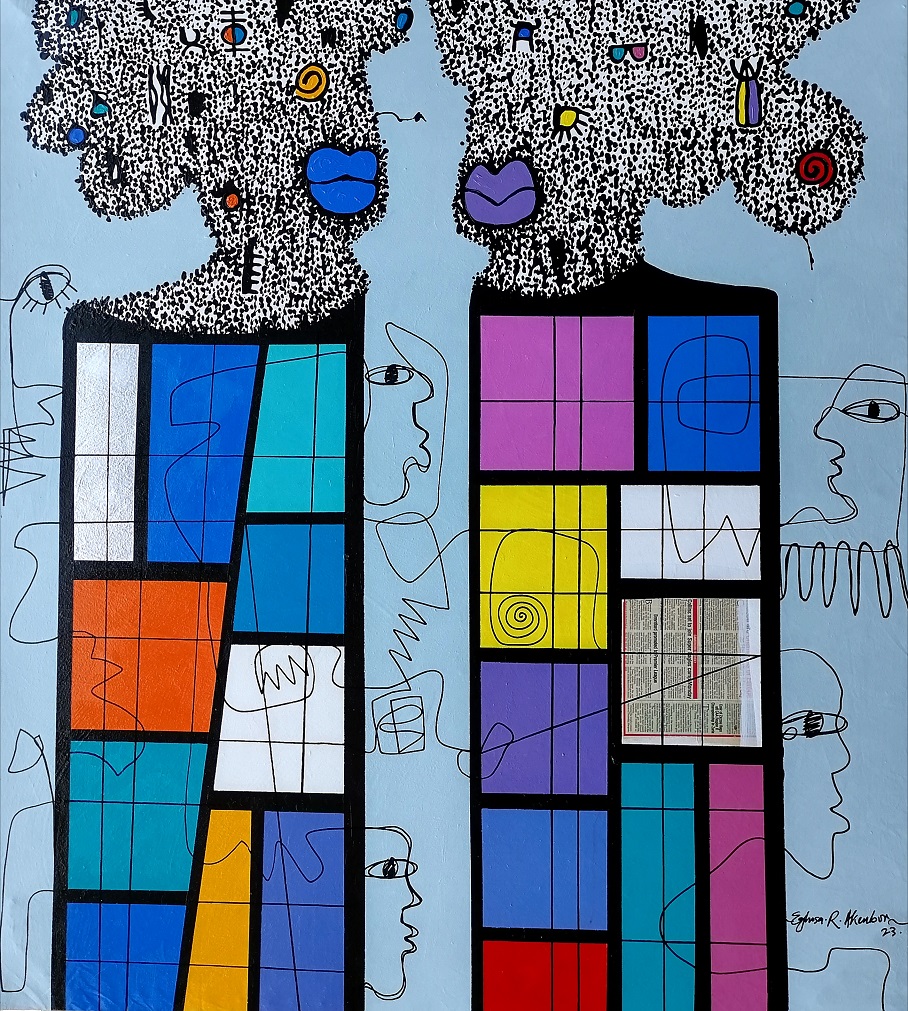

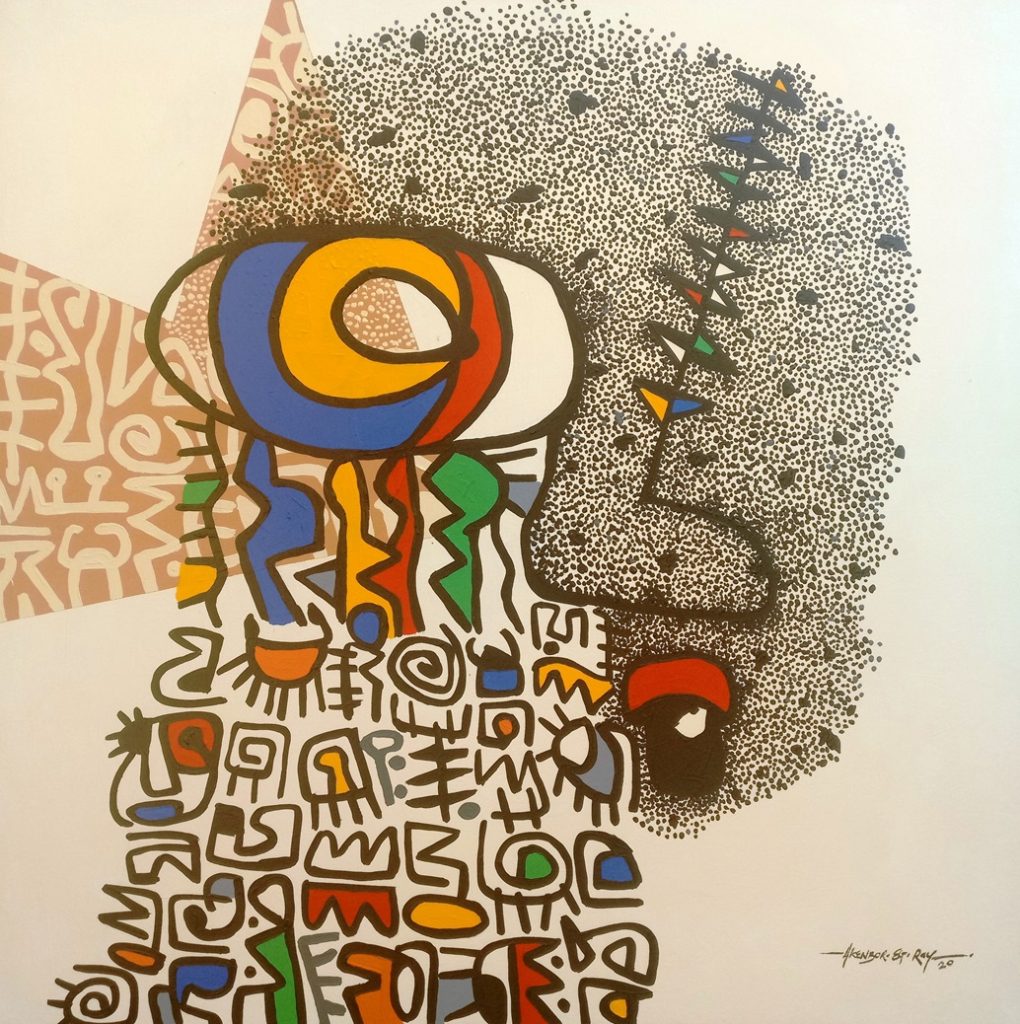
Art has always held a unique power — the ability to communicate without words. Unlike spoken languages, which often belong to specific regions or cultures, art transcends boundaries. It moves freely across continents, cultures, and generations. A painting created in one part of the world can be seen, felt, and understood by someone thousands of miles away.
This is one of the most fascinating aspects of being an artist.
Art becomes a universal language. It has no strict grammar, no translation barriers, and no restrictions. Through colour, form, rhythm, and composition, artists share emotions, ideas, and observations about the world around them. A viewer may not know the artist personally or even understand the cultural background behind the work, yet the connection can still happen. That silent understanding is what makes art powerful.
Often, artists create from their immediate surroundings. They observe daily life, social realities, and cultural experiences, then translate those observations into visual expression. Sometimes the work may address a particular issue within the artist’s society, but what is remarkable is how that message can resonate elsewhere. A theme that begins in one community may find meaning in another. In this way, art travels far beyond the place where it was created.
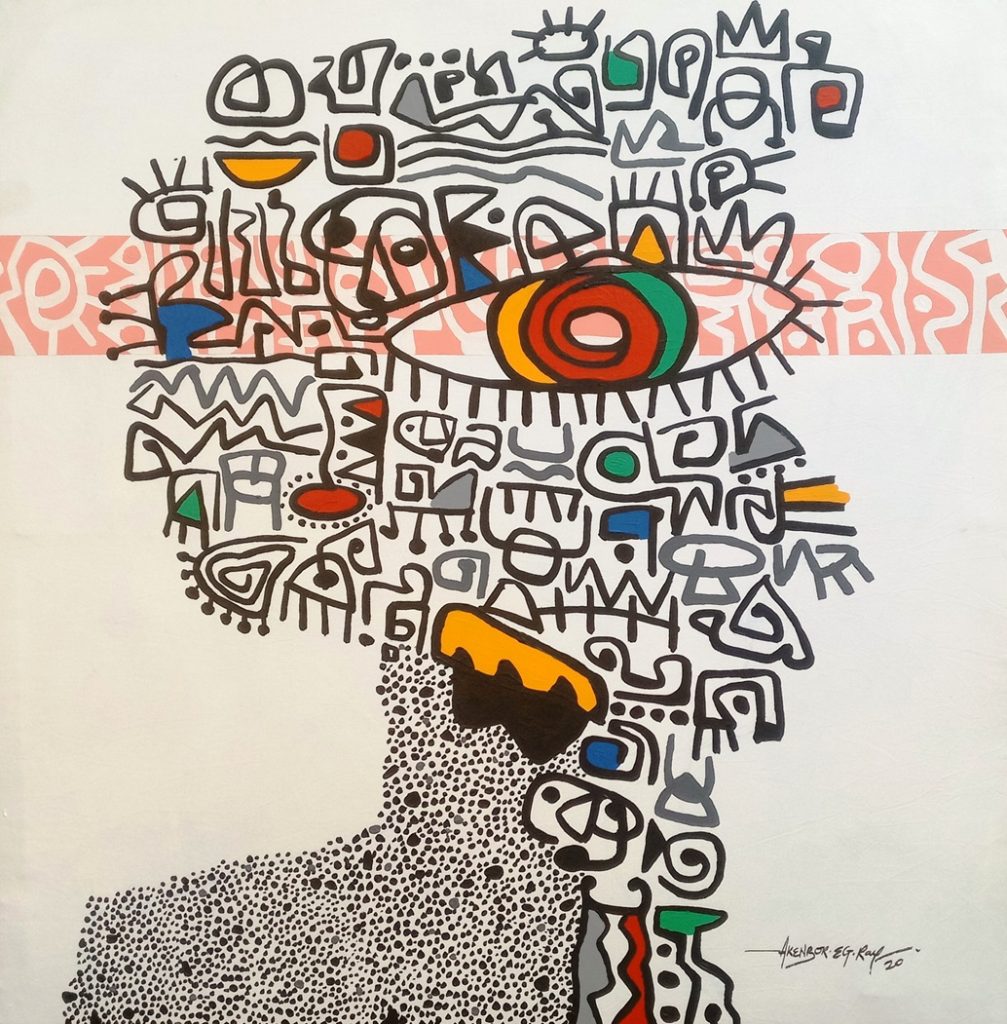
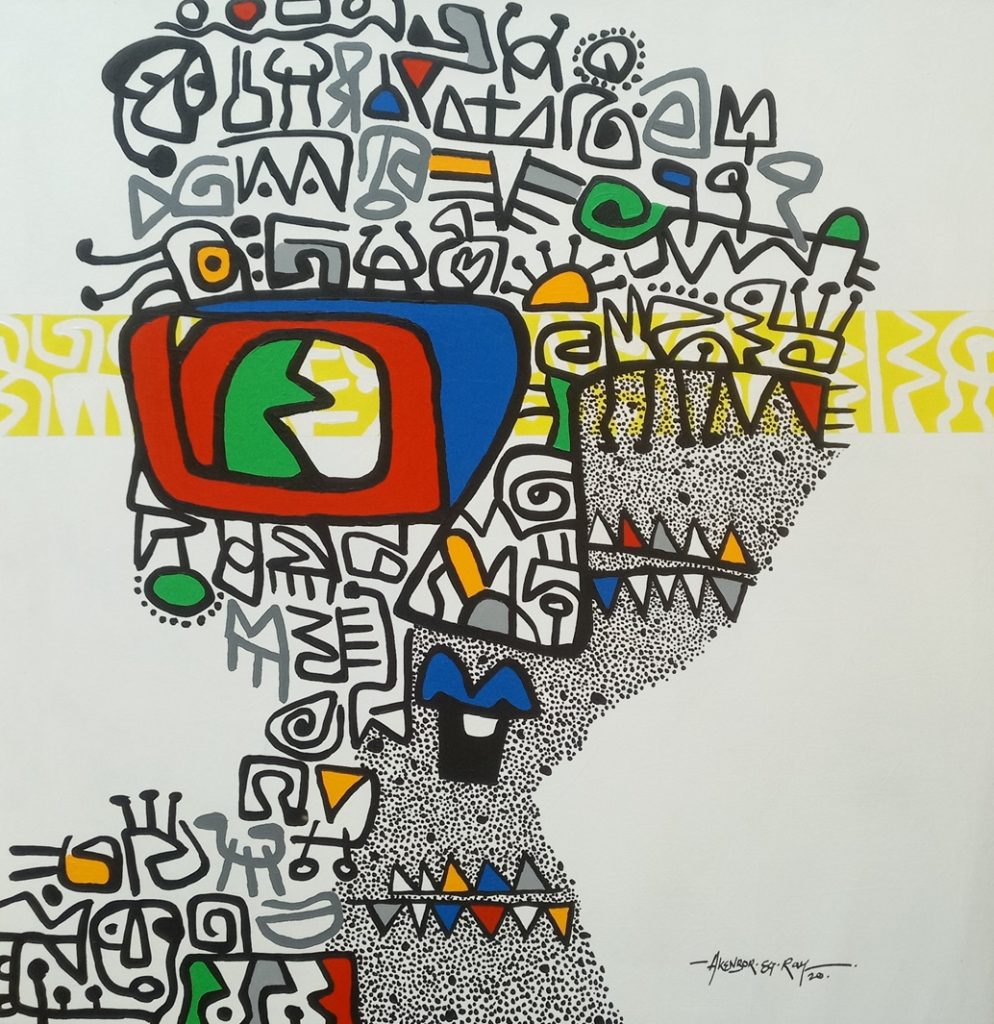
For me, art is more than just a visual object; it is a tool to speak to the world.
Whenever I begin creating a piece, a thought always lives in my mind — that somewhere out there, someone will eventually encounter this work. Whether they see it in person at an exhibition or discover it online, I imagine that moment of connection. The idea that a painting can reach someone I may never meet gives the creative process a deeper purpose.
However, before the artwork reaches that distant viewer, it must first speak to me.
Every painting begins as a personal conversation. I must feel the emotion, understand the energy, and connect with the idea before I can present it to others. The process is almost like listening to my own thoughts and translating them into colour and form. Only when that internal dialogue feels complete do I feel ready to share the work with the outside world.
In that sense, creating art becomes a journey — a journey that starts within the artist and travels outward to someone else.
My greatest hope is that when people see my work, whether online or physically, they pause for a moment to experience it. To interpret it in their own way. To find their own meaning in the colours, patterns, and forms.
Because art, at its core, is not just about seeing.
It is about feeling, connecting, and sharing a moment of human expression with the world.